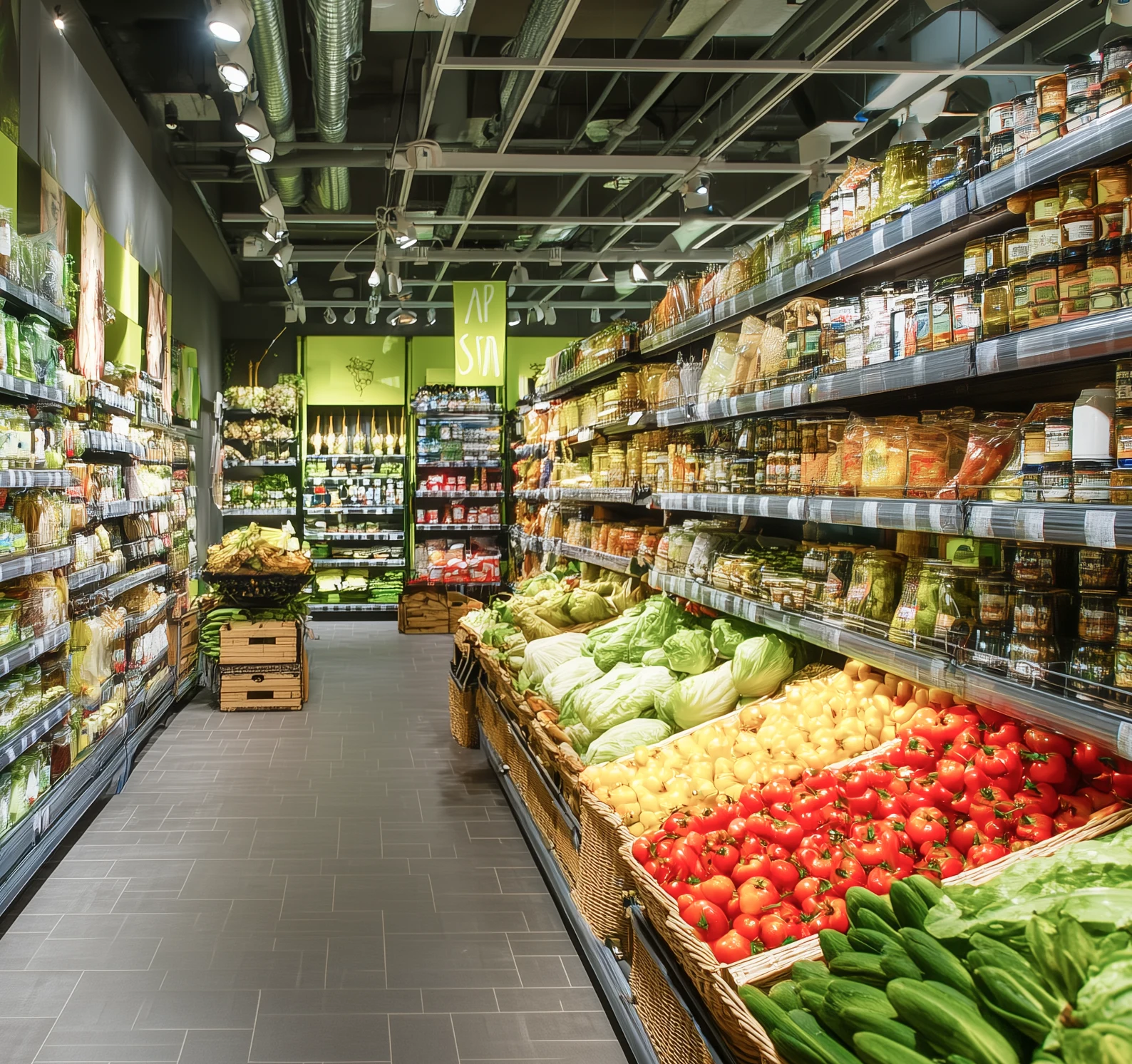

From Recipe To Proof of Delivery
ERP ties stock, production, suppliers, customers, and cash so planners and QA share one timeline — critical when every batch needs identity and every handoff needs evidence.
Forecast & APS

Procure
MES & issue
Stock & FEFO
Sell & ship
Invoice & BI

Multi-Industry
Traceability by design
Lots, batches, and production executions link backward to ingredients and forward to deliveries, supporting audits and recalls.

Multi-Industry
Traceability by design
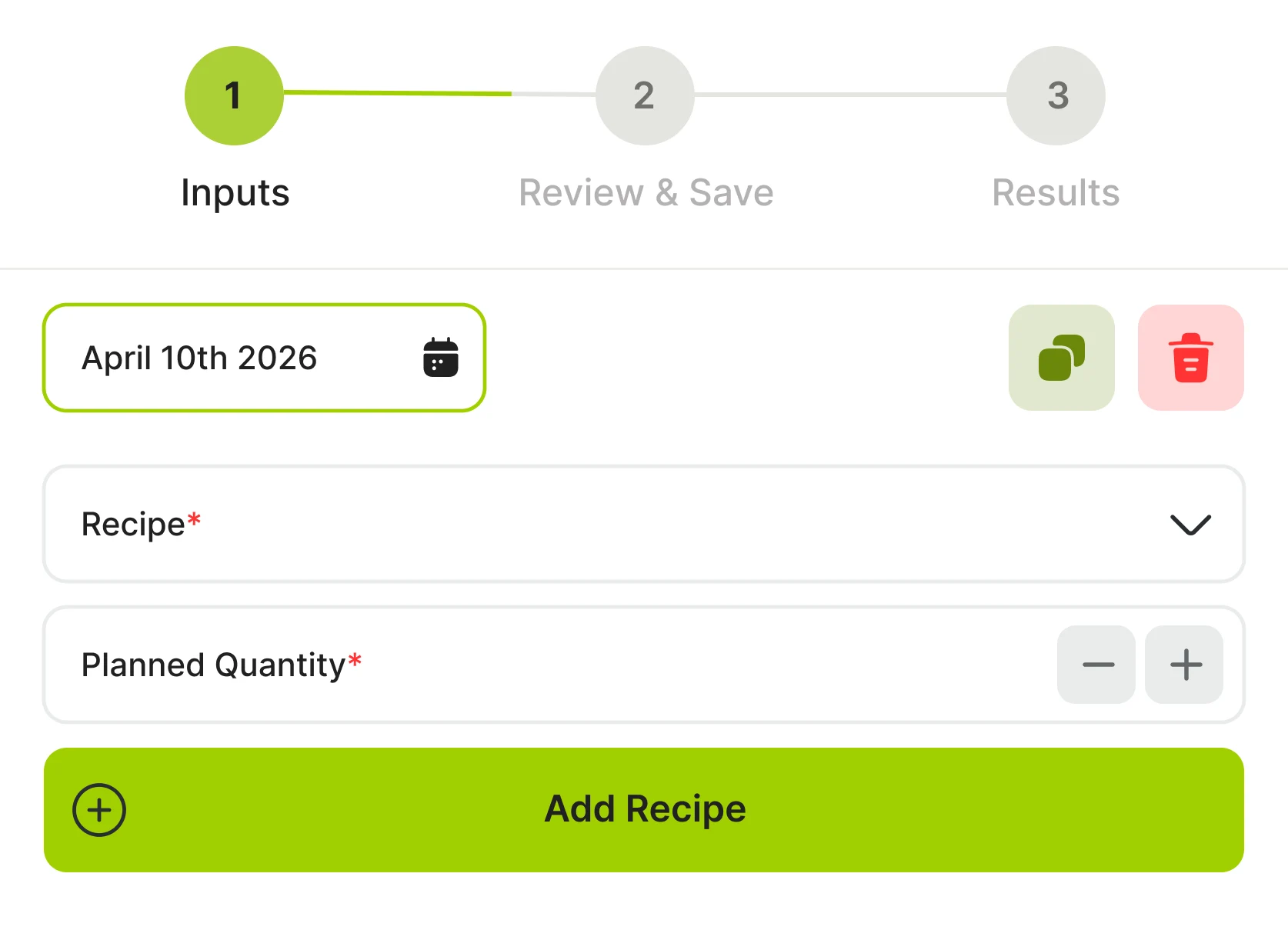
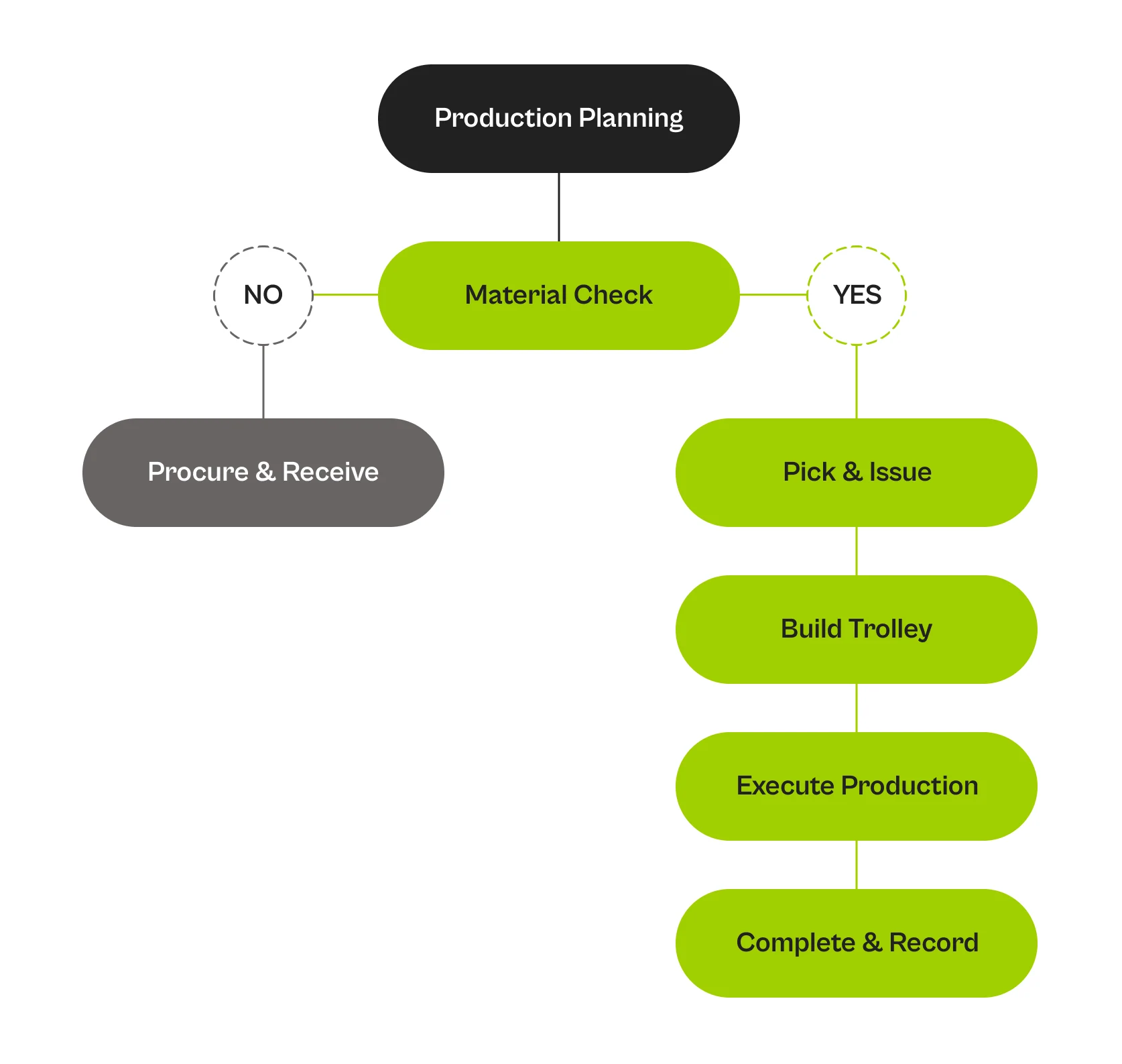
Plans consume sub-recipes, expected purchases, pending sales, and on-hand stock so the shop floor and buying stay synchronized.

Connected
Warehouse discipline
Picklists follow FIFO/FEFO; expiry warnings and QR labeling reduce risk in fast-moving cold chains.

AI-Powered
Modular adoption
Turn on manufacturing depth where needed; still use the same product, CRM, and finance fabric across the business.



Priya Lakshmanan (food industry perspective, internal overview)

Manufacturing Process

Engine Logic




MES
Execution layer: monitor and document the path from raw materials to finished goods.
APS
Advanced planning, production schedules and supply plans that respect capacity and material availability.
SCM
End-to-end chain: procurement, manufacturing, logistics, and delivery in one coherent model.
IMS
Inventory everywhere it lives: bulk stores, lineside, shops, and vehicles.

Operations Flow
Certifications & Standards in Scope
Programs commonly referenced in the food manufacturing overview.
System Modules
Full Module Map
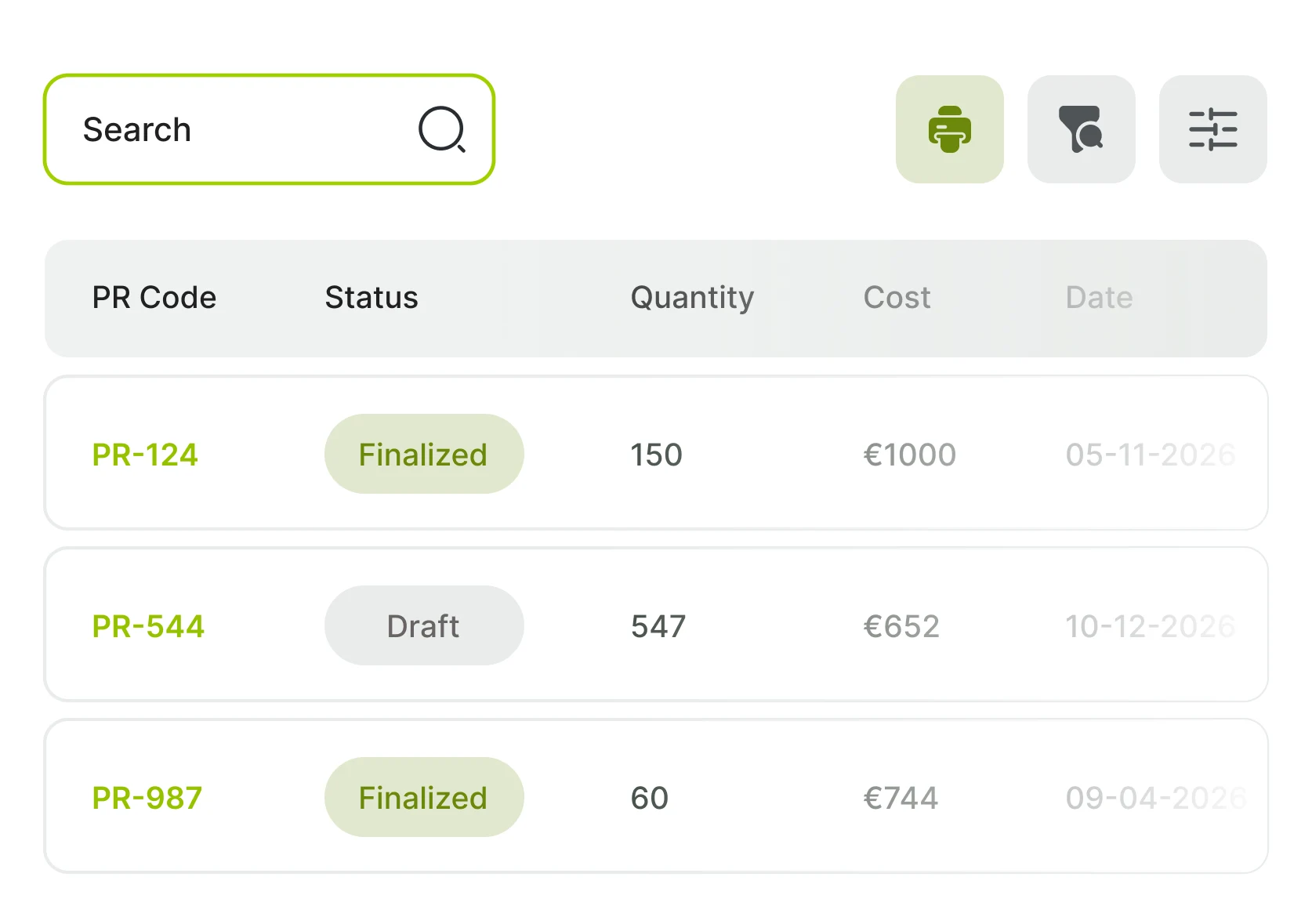
Manufacturing, commercial, and financial modules share master data, production drives requisitions; sales drives picklists and deliveries.

Multi-Industry
Product management
Attributes, VAT, multiple prices, categories, cost curves, raw/intermediate/finished flags, recipes.

Multi-Industry
Inventory & warehousing
Multi-level sites, alerts, expiry, stock takes, waste, QR, labels, transfers, FIFO/FEFO picklists.

Connected
Procurement
Supplier CRM, material & purchase requisitions, POs, receiving, landed cost, FX, CCFTs.

Connected
Production
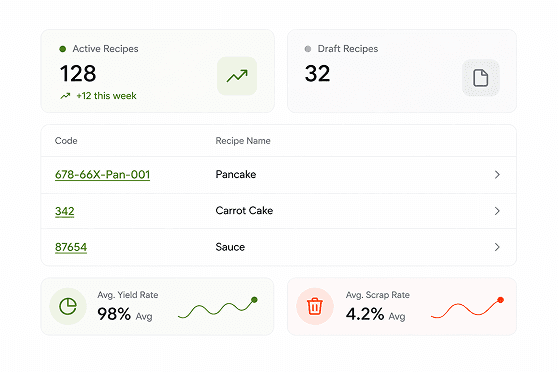
Recipe-aware planning, issuing, weighing/dispensing, batches/lots, traceability.

Connected
CRM
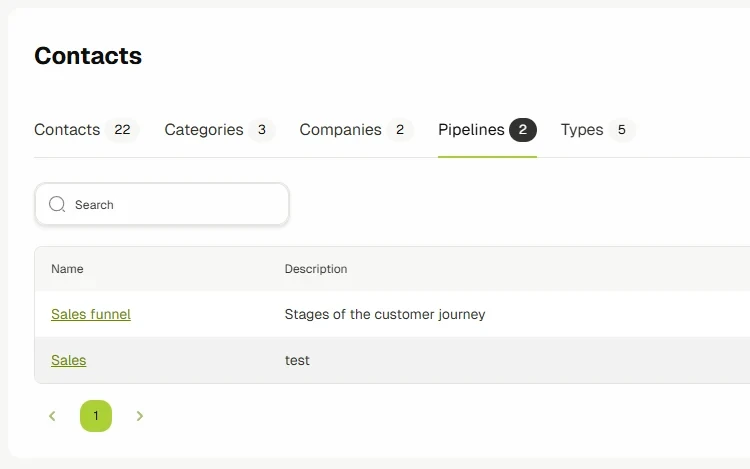
Contacts, companies, pipelines, custom fields, SMS/email announcements.

Connected
Sales
Multi-company billing, catalogue, quotes/orders, Shopify, brochures, contract pricing, discounts.

Connected
Delivery & dispatch
Fleet, routes, driver app, POD, messaging, returns, optional COD reconciliation.

Connected
Finance
Delivery-triggered invoices, payments, credit notes, audit trail, SFM integration.

Connected
Business intelligence
SQL access, MayaAI natural language, dashboards and AI insights.
Functional Details
Rich product records: media, descriptions, and commercial attributes.
Custom attributes, VAT, multiple price lists, categorization.
Cost-over-time visualization and moving average costing.
Bill-of-material style recipes and material classification for MRP.

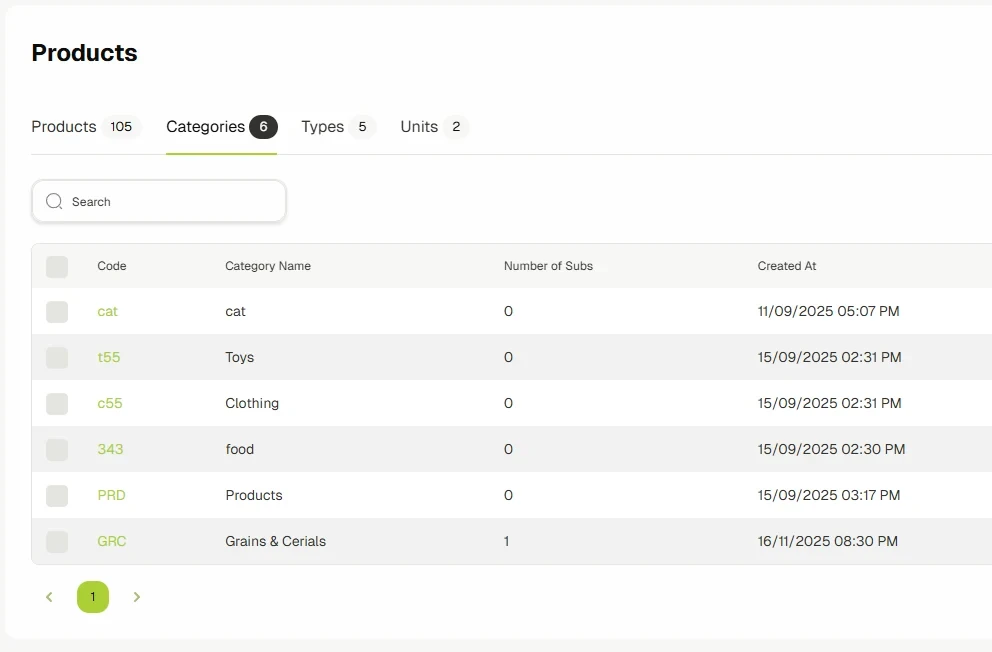
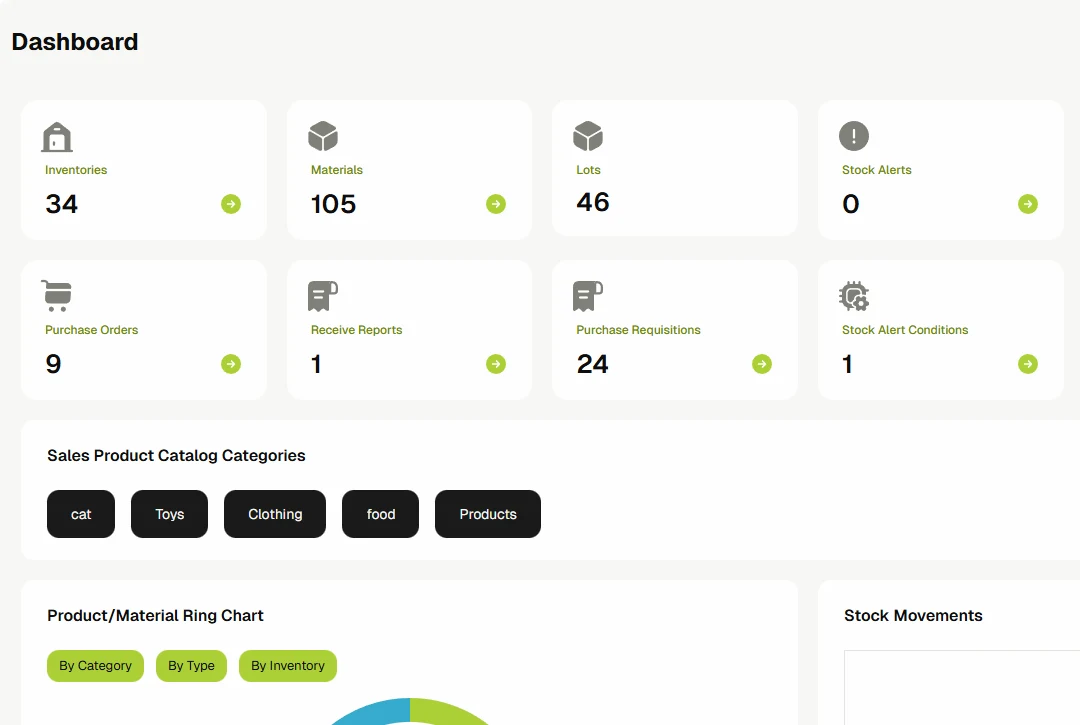
Multi-level warehouse design and operational controls.
Alerts, expiry, stock takes, corrections, waste, movement calendar.
QR assignment, labeling, permissioned transfers.
Picklists auto-built for sales, deliveries, and production steps; FIFO/FEFO allocation.
Supplier CRM with history; multi-currency supplier pricing.
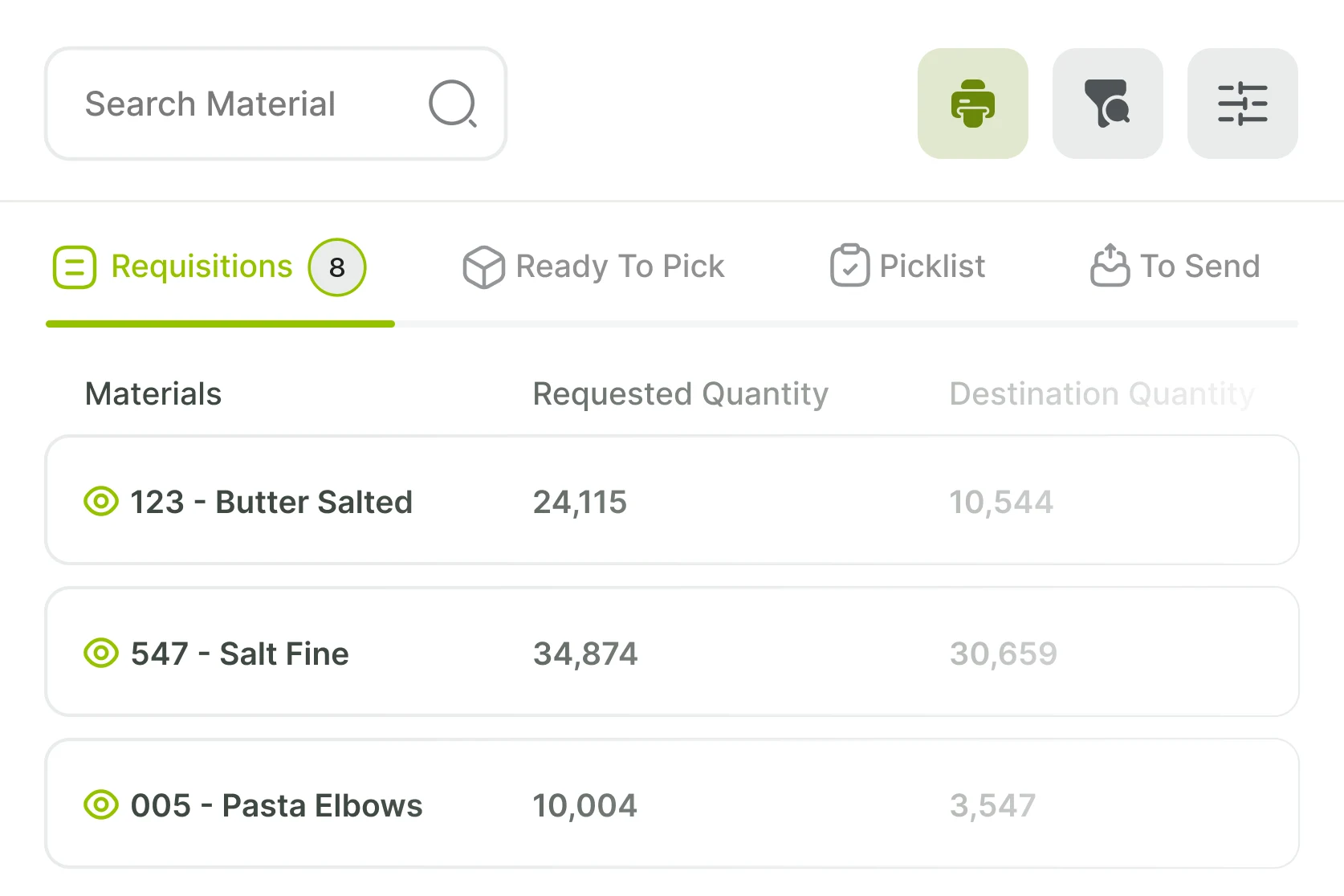
Material requisitions from production plans; purchase requisitions manual or fed.
Purchase orders with supplier email and read tracking.
Receiving into inventory; purchase invoices; port/shipping/duty lines; FX per invoice or payment.
CCFTs for contextual fees and taxes.
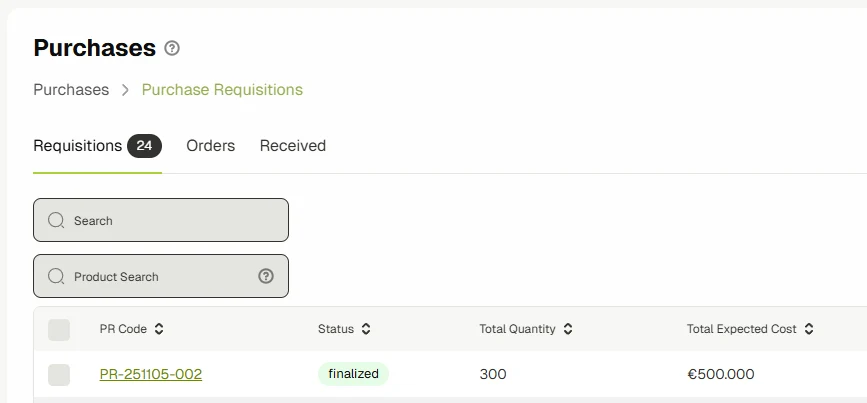
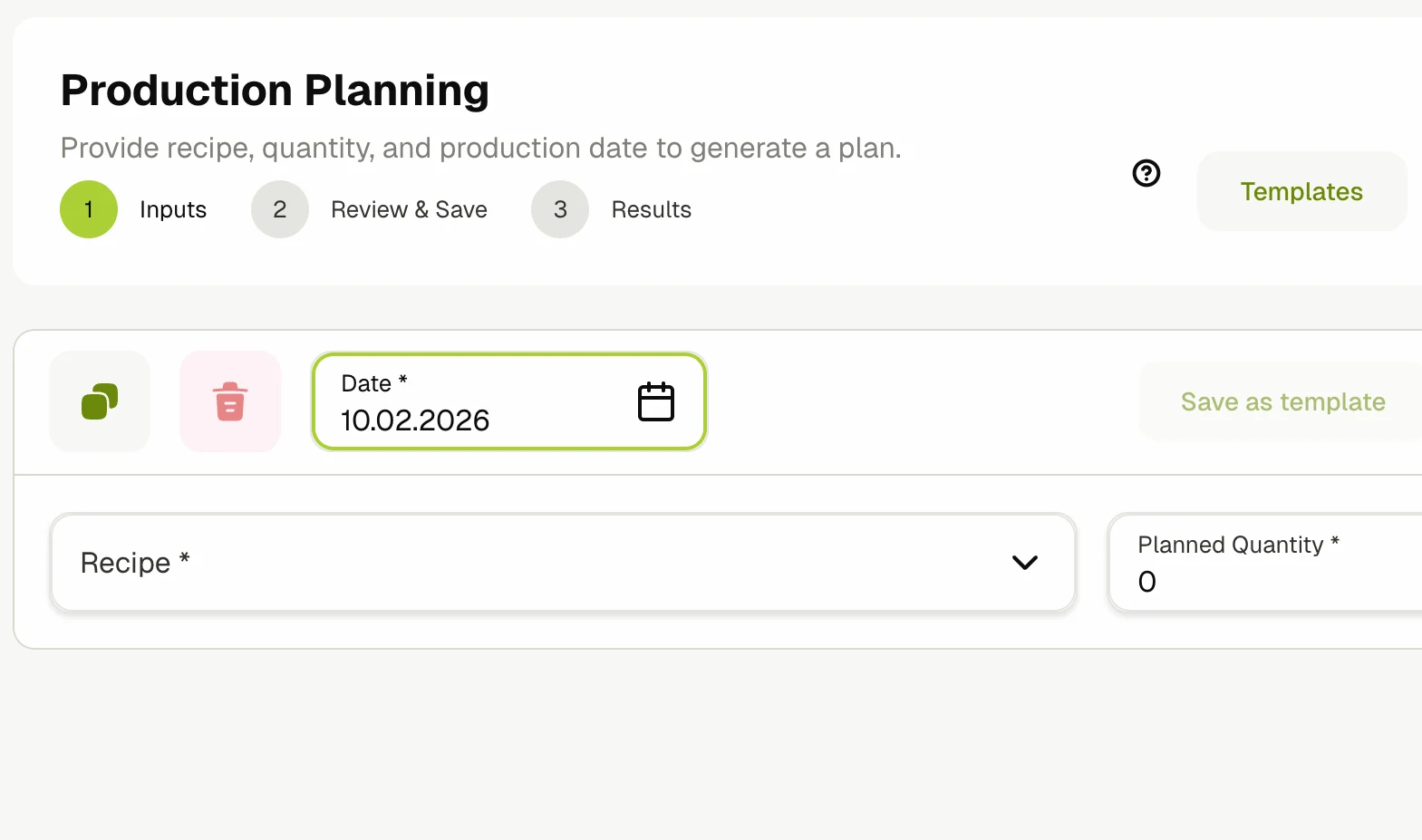
Planning with sub-recipe back-population across days.
Raw material issuing to the floor.
Weighing, dispensing, and staging (including packaging/decanting loss).
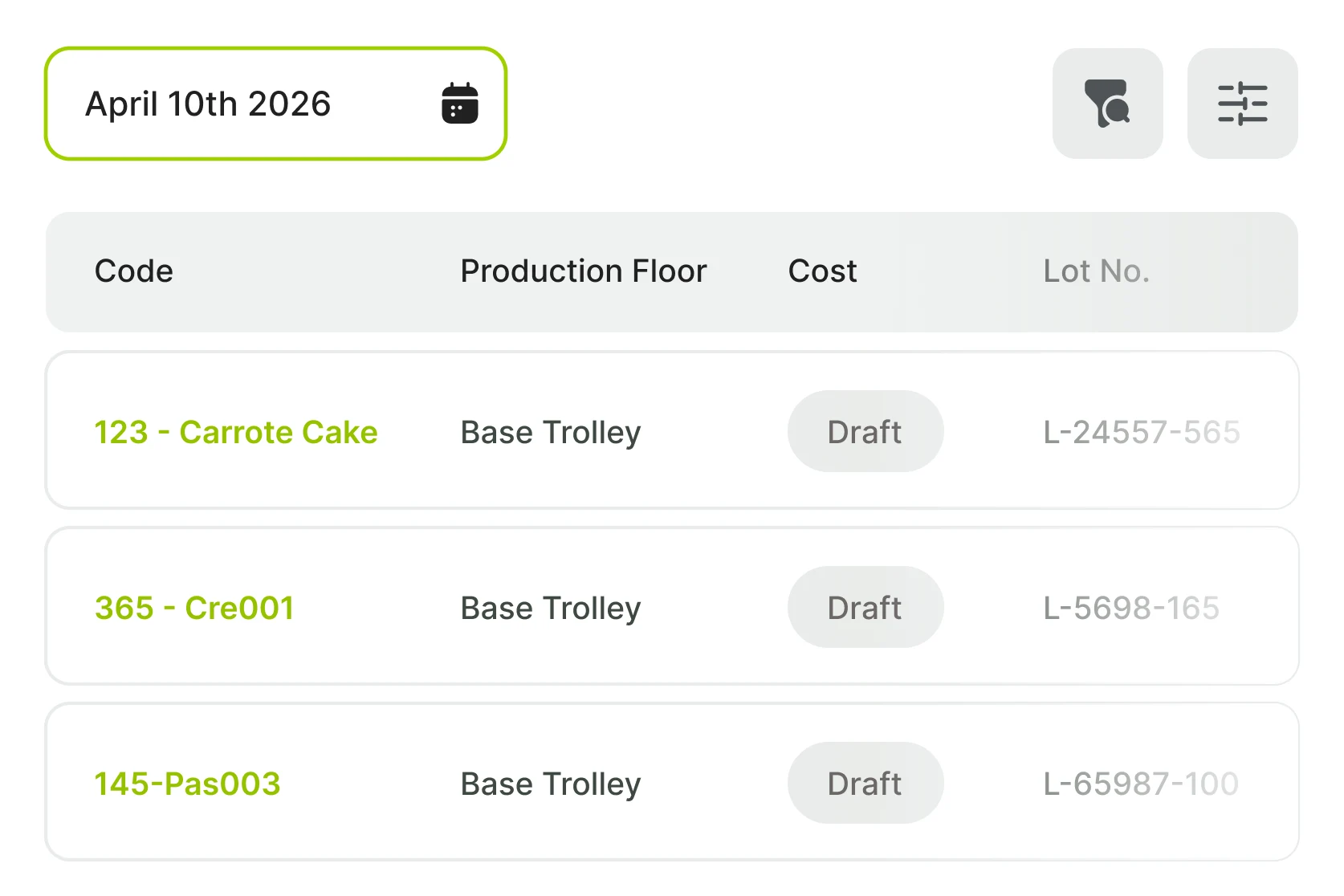
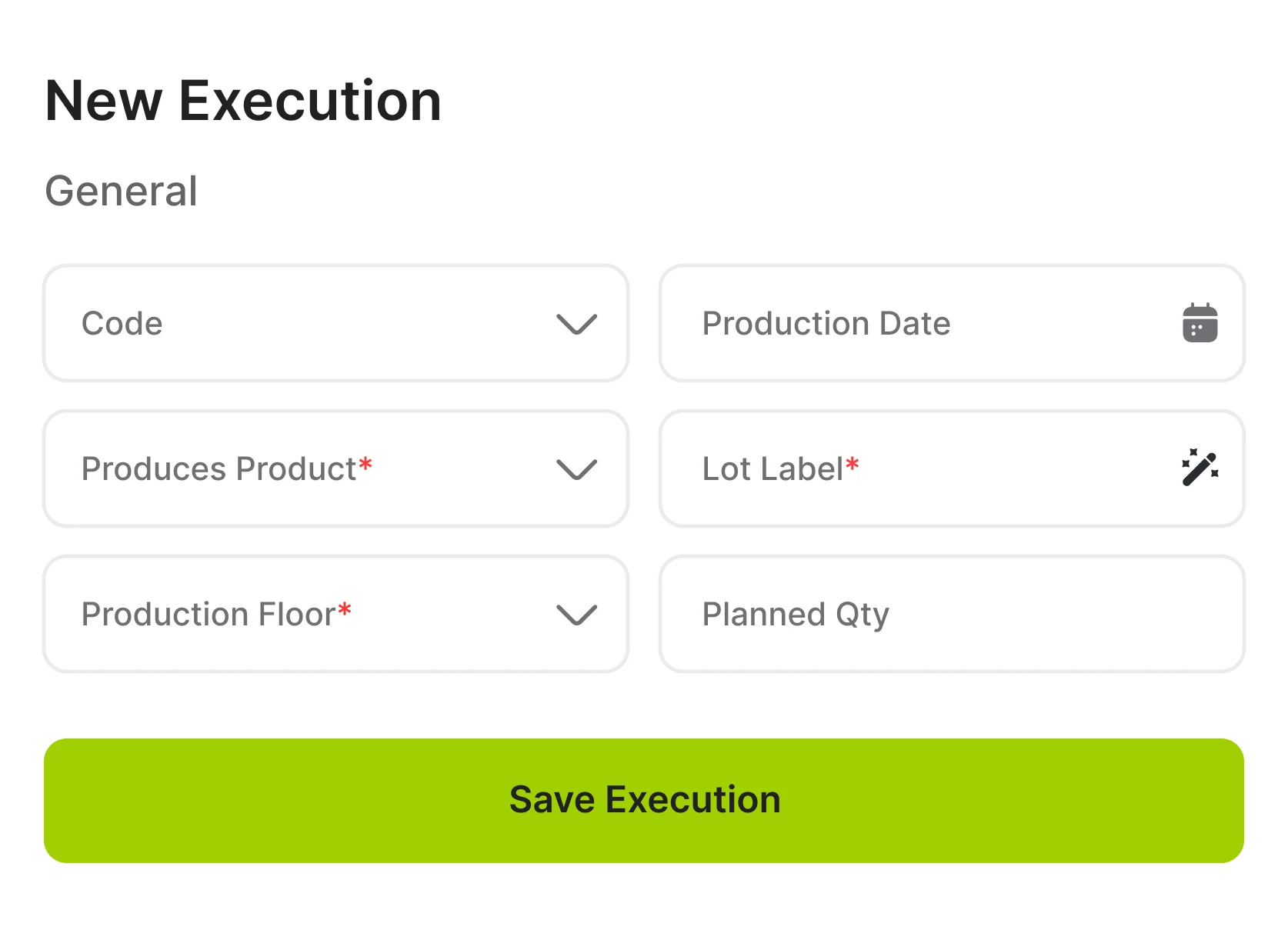
Batch and lot execution with unique identifiers for traceability.
CRM: pipelines, company-specific pricing, SMS/email announcements.
Sales: catalogue-to-order, Shopify sync, discounts with access control.
Delivery: auto-build from orders, routes, driver app, POD capture.
Finance: invoicing, payments, credit notes, audit trail, SFM.
BI: SQL + MayaAI + dashboards.

Where It Fits
Industries
Examples of sectors that lean on recipe-based production, cold-chain discipline, and traceability—not an exhaustive list.